
Understanding the psychological triggers behind gambling behavior
The allure of risk and uncertainty
The thrill of gambling often stems from the excitement of risk and uncertainty. Players are drawn to the unpredictability of outcomes, which can create a heightened sense of anticipation. This psychological trigger makes gambling inherently appealing, as individuals may perceive the possibility of winning as a path to instant gratification. The emotional high associated with placing a bet can lead players to seek this experience repeatedly, reinforcing their gambling behavior.
This need for excitement can be linked to the brain’s reward system. When a player wins, the brain releases dopamine, a neurotransmitter associated with pleasure and reward. This positive reinforcement can encourage individuals to return to gambling in hopes of replicating that euphoric feeling. Unfortunately, this cycle can lead to compulsive behavior, where the desire to win overshadows financial responsibilities and personal wellbeing.
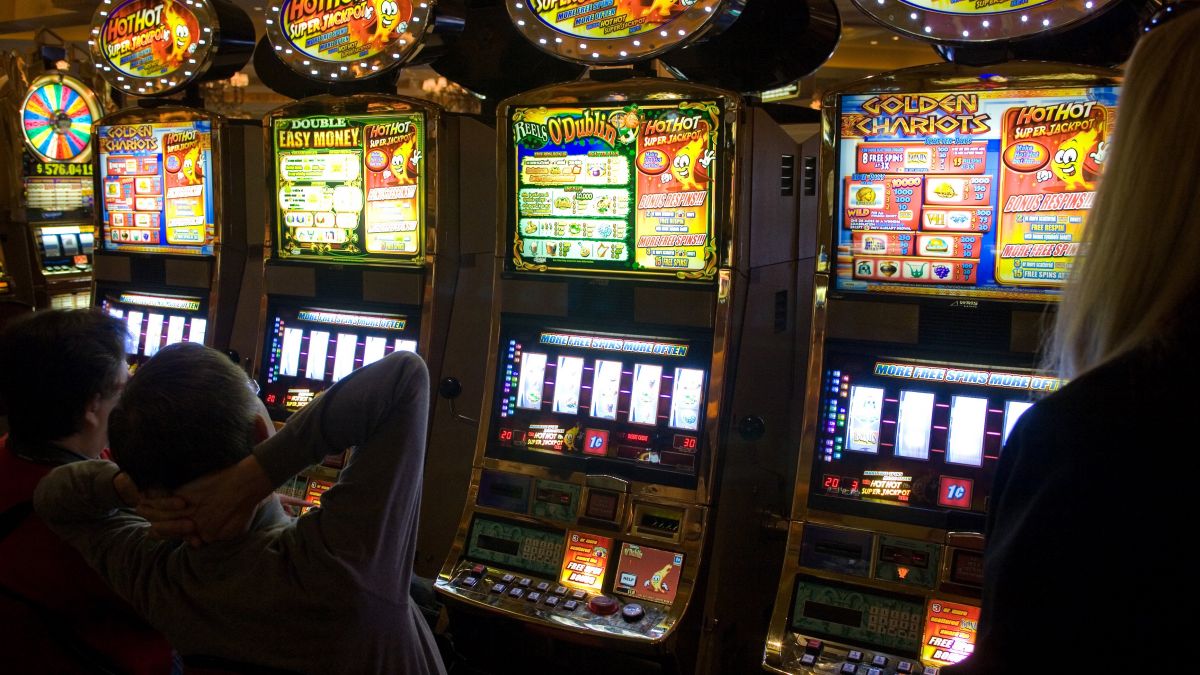
Furthermore, the allure of risk and uncertainty often plays into social dynamics. Many individuals gamble to socialize and bond with peers, creating a community around shared experiences. This social aspect can amplify the excitement, as players engage with others who share the same thrill. As a result, gambling can become more than just a personal activity; it transforms into a communal experience where the psychological triggers are magnified through group dynamics.
The role of cognitive biases
Cognitive biases significantly influence gambling behavior, often skewing an individual’s perception of risk and reward. One common bias is the illusion of control, where players believe they can influence the outcome of a game through skill or strategy, despite it being largely chance-based. This false sense of control can lead to more frequent gambling, as individuals are convinced their decisions will yield favorable outcomes.
Another prevalent cognitive bias is the gambler’s fallacy, which suggests that past outcomes influence future results. For example, if a player has not won for several rounds, they may believe their chances of winning increase with subsequent attempts. This misconception can result in chasing losses, where individuals gamble more in an attempt to recover previous losses, perpetuating a harmful cycle.
Understanding these cognitive biases can provide insight into why individuals continue to gamble despite negative experiences. Many players may dismiss warnings or financial repercussions, instead focusing on the potential for a big win. This mindset can make it difficult for individuals to recognize when their behavior becomes problematic, highlighting the need for awareness and education about the psychological factors at play in gambling.
Emotions play a critical role in shaping gambling behavior, acting as both triggers and responses. Individuals often gamble to escape negative emotions such as stress, anxiety, or depression. The act of placing bets can offer a temporary distraction, allowing players to avoid confronting underlying issues. Unfortunately, this escapism can lead to a reliance on gambling as a coping mechanism, creating a vicious cycle of emotional dependence.
Conversely, positive emotions can also drive gambling behavior. Celebrating a victory or experiencing feelings of euphoria can prompt individuals to seek out gambling as a form of recreation. This connection between emotional states and gambling can lead to an increase in frequency and intensity of play, especially during moments of celebration or heightened emotional states. Therefore, understanding the impact of emotions is essential for recognizing and addressing gambling behavior.
Additionally, the relationship between emotions and gambling can be further complicated by social influences. Peer pressure and societal norms can reinforce emotional triggers, making gambling seem like an acceptable or even desirable activity during both celebratory and challenging times. This external validation can amplify the emotional connection to gambling, increasing the likelihood of compulsive behavior in the long run.
The influence of environment and accessibility
The environment in which gambling takes place can have a substantial impact on behavior. Factors such as location, atmosphere, and accessibility can heighten the desire to gamble. For example, casinos and gambling establishments are designed to create an immersive experience, using bright lights, sounds, and the promise of large payouts to draw players in. This carefully curated environment can create a sense of urgency and excitement, encouraging individuals to participate more frequently.
The increasing accessibility of online gambling has also transformed the landscape. With numerous platforms available at users’ fingertips, individuals can gamble anywhere and anytime, making it easier to indulge in this behavior. The convenience of online gambling can blur the lines between casual play and compulsive behavior, as players may find it challenging to set limits in a virtual environment that constantly encourages them to keep playing.
Moreover, marketing strategies employed by gambling companies often target vulnerable individuals, capitalizing on their emotional states. Promotional offers and enticing bonuses can lure players into believing that now is their best chance to win, further reinforcing the cycle of compulsive gambling. Understanding these environmental influences is crucial for addressing the underlying triggers that lead to problematic gambling behavior.
Mythoswin Casino: A balanced approach to gaming
As an online gaming platform, Mythoswin Casino recognizes the psychological triggers behind gambling behavior and aims to create a balanced experience for its users. With an extensive array of games, including slots and live casino options, it provides an exhilarating atmosphere while also promoting responsible gambling practices. The platform offers resources and support for players to help them manage their gaming habits and make informed choices.
Furthermore, Mythoswin Casino takes player safety seriously, employing secure payment options and robust customer support available around the clock. By fostering a secure environment, the casino aims to alleviate some of the emotional and cognitive pressures associated with gambling, allowing players to enjoy their experience without overwhelming stress. This approach not only enhances the gaming experience but also prioritizes the well-being of its users.
In summary, understanding the psychological triggers behind gambling behavior is essential for promoting responsible gaming. Mythoswin Casino is dedicated to providing a safe and enjoyable environment for all players, ensuring that the thrill of gaming remains a positive and controlled experience. By addressing the factors that drive gambling behavior, the platform empowers individuals to make informed choices while enjoying their gaming journey.